Pier 55
Final project for Architectural Perceptions. An ambitious take on Pier 55's floating park, aiming to limit microbead contamination through skincare, physical activity, and physics
Everything built in Rhino3D and Illustrator
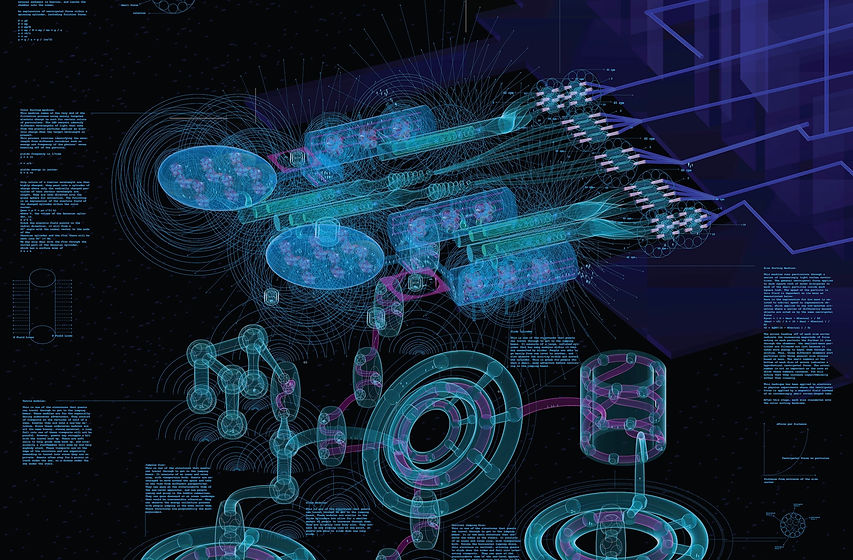
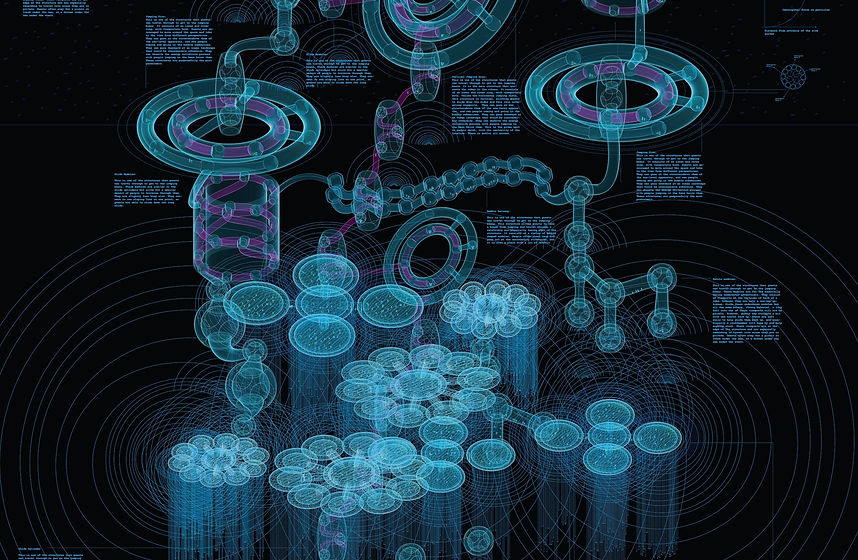

This project attempts to filter microbeads from sewage pipes that lead to the waterfront at Pier 55. Many skincare products today use microbeads, which are tiny pieces of plastic, as an exfoliant. These tiny beads are washed down drains and enter sewage treatments that are not equipped to handle plastic particulate that small. The treated water flows, still contaminated with microbeads, out into the ocean where sea creatures eat the particles and become sick, or end up on our plates for dinner. My design captures microbeads before the treated sewage water is released into the ocean. First, treated water enters a dirt filter which combs out any particulate that is not plastic. Then, electrically charged rods attract the conductive plastic material and pass it along to be sorted by size. All size-sorted particles will end up in the color sorters which use LED sensors to apply an electric charge to similar colors. Similar colors will end up sticking together after going through multiple machines. Visitors at the site can collect these now-clean microbeads and use them in the plastic molds to make containers for their skincare at beauty stations in the square laboratories. The system takes microbeads back to the beginning of the skincare production cycle as a form that is less likely to be dumped as waste into the ocean.
Underwater, visitors may hop into bubble submarines that adjust their buoyancy to collect ocean sediments often found in high-end skincare products such as La Mer. Visitors bring these to the skincare laboratories at sea level to be processed and put into the plastic containers. To power the whole system, visitors may also enter various underwater jumping pods where the force of their jumping provides kinetic energy that powers the size sorters, color sorters, and dirt filters. Visitors can see the full cycle of the process at the site since everything is made of glass or a transparent bouncy material. They get to feel part of a major operation to reduce ocean pollution.
In the above diagram, you will notice electric field lines, buoyancy markers, force lines, and equations describing the physics at work in the interconnected systems. Since the image appears at a drastically reduced size on your viewing platform, the details may not be visible at first glance. Take a closer look to see the water level at the pier and the scale of people in the structure. Below is a close-up of each major part of the system.

Dirt filter (above)
treated water enters a dirt filter which filters out any particulate that is not plastic. The machine spins so that lower-density particles accumulate at the middle. Then, electrically charged rods attract the conductive plastic material and pass it along to the next stage

Size sorter
Here, microbead particles are sorted by size. They are pushed through a vortex-like shape so that particles that are the most massive are attracted to the sides, and leave through the grooves in the machine sooner, into the first chamber. The smaller particles will enter the chambers near the end.

Color sorter
The color sorters use LED sensors to apply an electric charge to colors of a similar wavelength. Similar colors will end up sticking together after going through multiple iterations.

Jumping beans
To power the whole system, visitors may enter these underwater jumping beans where the force of their jumping triggers a shock system made of elastic bands surrounding the pods. This harnesses kinetic energy and releases it into the size sorters, color sorters, and dirt filters to power the whole system.

Bubble Submarines
Underwater, visitors may hop into bubble submarines that adjust their buoyancy to collect ocean sediments often found in high-end skincare products such as La Mer. Visitors bring these to the skincare laboratories at sea level to be processed and put into the plastic containers.